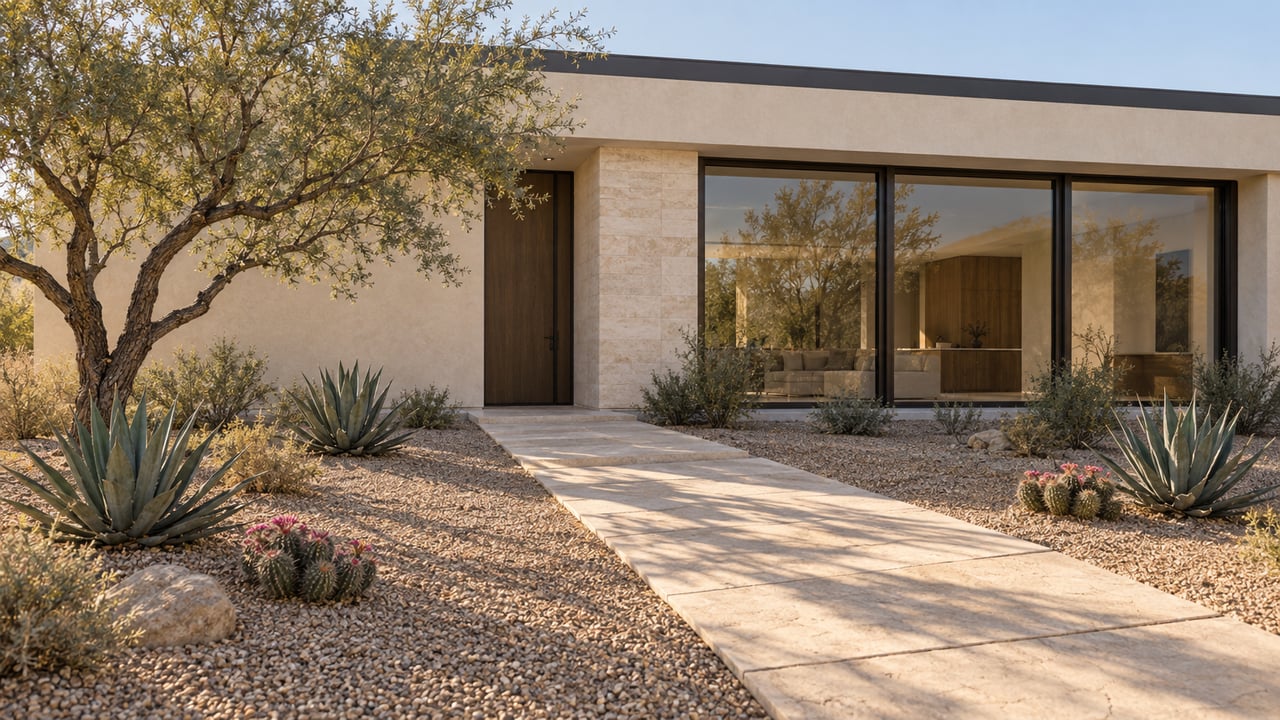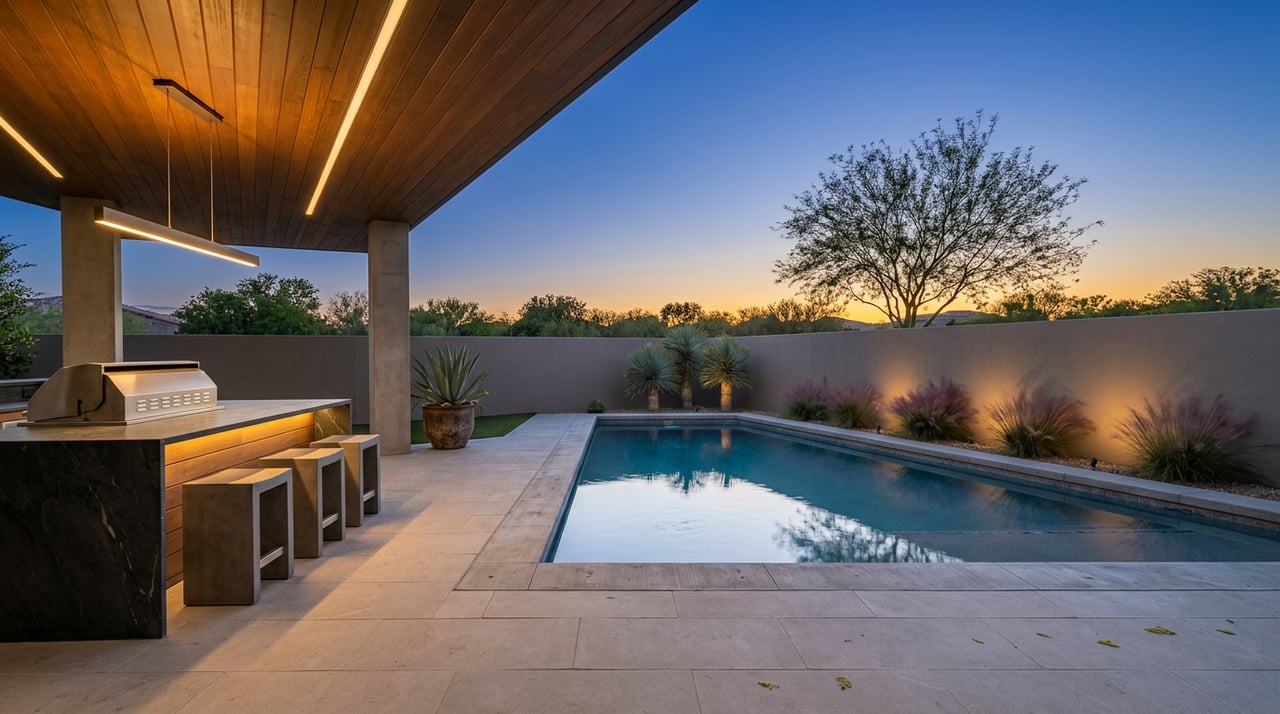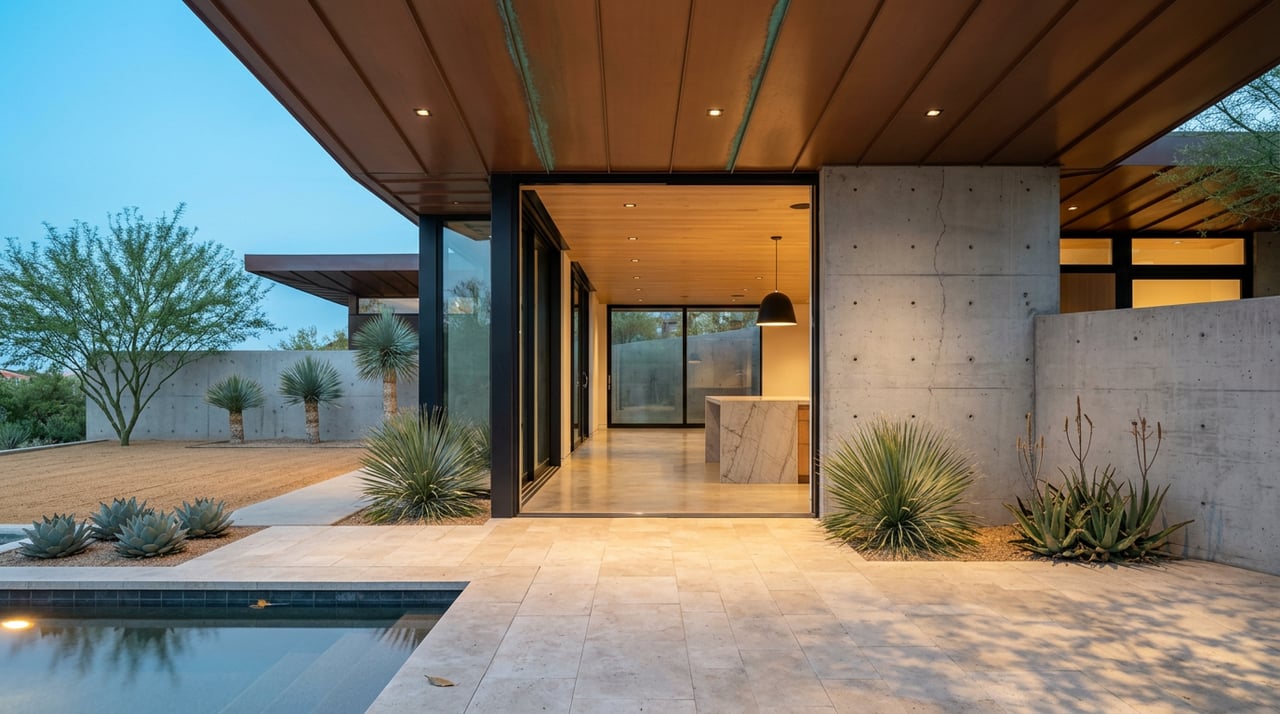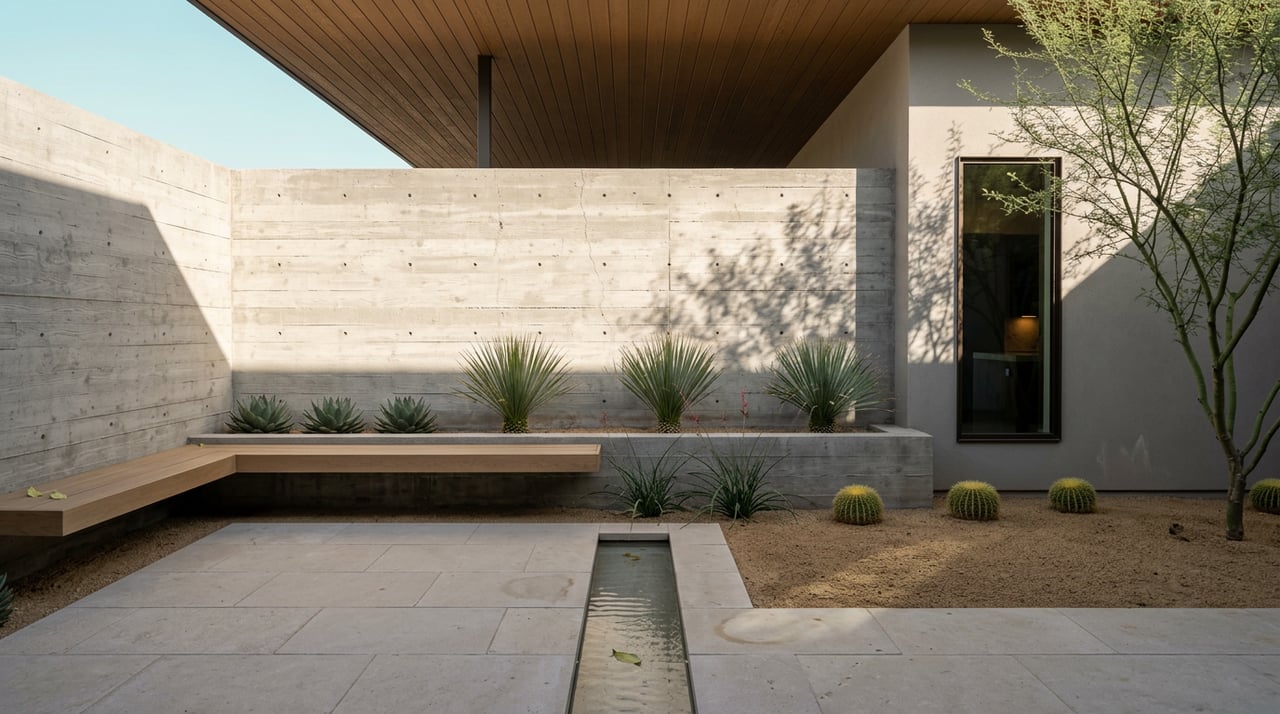
Trying to decide between a brand-new build in Skye Canyon and a turnkey resale? You are not alone. Both paths can work well in a master-planned community, but the right choice depends on timing, budget, risk, and how you value customization. This guide gives you a clear framework to compare costs, incentives, lot premiums, HOAs and SIDs, warranties, and renovation upside. Let’s dive in.
New vs resale in Skye Canyon
Skye Canyon is a master-planned community in Clark County with HOA governance, shared amenities, and common-area maintenance. Those features affect both new construction and resales. You will weigh builder options and warranties on a new build against immediate occupancy and negotiation flexibility on a resale.
New construction means buying from a builder, often with choices at the design center, potential incentives, and standard builder warranties. Resale means buying a previously owned home, usually with faster closing and the ability to negotiate repairs or credits. In both cases, HOA rules and any Special Improvement District assessments apply.
Timing, budget, and risk at a glance
- Timing: New builds often take months or longer to complete, while resales can typically close faster.
- Financing: Builders may offer incentives such as rate buydowns, lender credits, or design credits that interact with your mortgage. Resales use standard mortgage products and negotiated seller concessions.
- Risk and effort: New builds may come with construction timelines and post-close punchlist items. Resales may need immediate repairs or updates.
Incentives and total cost
Common builder incentives
- Rate buydowns, temporary or permanent
- Preferred-lender credits that reduce closing costs
- Design center or upgrade credits
- Price reductions or promotional pricing
- Lot premium waivers or credits
- Contributions toward HOA or prepaid assessments on select homes
How to compare offers
- Ask for all incentives in writing, including any requirement to use a preferred lender, title, or insurance provider.
- Convert incentives to dollars you can compare. A one-time $10,000 credit is straightforward. A 2-1 buydown needs a monthly savings estimate over the buydown period to find its present value.
- Request line-item pricing on upgrades so you can compare them to independent estimates.
Quick example to make it real
Assume three options on a new build with the same base price. These are illustrative only. Plug in current rates and costs.
- Option A: $15,000 price reduction
- Option B: $15,000 design-center credit
- Option C: 2-1 buydown worth about $400 per month savings in year 1 and $200 per month in year 2
In years 1 and 2, Option C can lower your payment meaningfully. Over the full term, Option A might reduce total interest paid because the price is lower. Option B boosts finish quality but may not change your payment. Compare total dollars over the time you expect to own the home.
Warranties vs condition
New construction warranties
Most builders offer a structured warranty, often along these lines: 1 year on workmanship and materials, 2 years on major systems, and 10 years on structural items. Always request the full written warranty, including claim procedures, response times, transferability, and start date. Plan independent inspections at key milestones, such as pre-drywall and pre-close, to document items while coverage applies.
Resale due diligence
On a resale, you rely on inspections, seller disclosures, and maintenance history. Budget for immediate repairs or replacements if systems are near end of life. Independent inspections and specialist evaluations help you control risk and negotiate credits.
Lot premiums and views
What drives lot premiums in Skye Canyon
Lot premiums are common in master-planned communities. Builders may charge more for corner or cul-de-sac lots, mountain or open views, privacy, lot depth, elevation, and solar orientation. Proximity to amenities, roads, and community features can also move the needle.
How to test the premium
- Compare the stated premium against recent sales of similar models and lots in the community.
- Decide whether buyers in Skye Canyon consistently pay for the same lot attributes at resale.
- Consider whether high-cost lot work, like retaining walls, adds proportional resale value.
Negotiation levers
Timing can matter. End-of-release cycles, slower inventory periods, or combining upgrade requests with premium discussions can open the door to give-and-take. A local agent can show recent comps to justify requests.
HOAs and SIDs in Clark County
Skye Canyon homes are subject to HOA rules and fees that fund amenities and common-area care. request and review CC&Rs, the budget, reserve study, insurance summary, and recent meeting minutes. Ask about pending fee changes or special assessments.
Special Improvement Districts may appear as assessments on property tax bills to fund infrastructure. Confirm any SID amounts attached to the parcel through county records. Nevada law provides governance and disclosure rules for common-interest communities, so factor those documents into your review.
Renovation ROI on resales
If you buy a resale, updates can close the gap with new-build finishes or efficiency. National and regional benchmarks show that smaller, focused projects like minor kitchen refreshes, garage doors, and curb appeal items often recoup a higher share of cost than whole-house luxury overhauls. Appraisers lean on recent comparable sales, so not every dollar of a major renovation will appraise, especially if nearby comps are older. Tailor your scope to what buyers in Skye Canyon actually value.
A clear decision framework
Step A — Gather documents and numbers
- New: price sheet, upgrades list, lot premium, written incentives, model specs, move-in timeline, full warranty, lender or title requirements.
- Resale: listing history, seller disclosures, improvement records, HOA docs, inspection reports if available, and recent neighborhood comps.
- Both: HOA budget and reserve study, property tax and any SID assessments, and sales of similar lots.
Step B — Quantify up-front and first-year costs
- Purchase price
- Lot premium or lot-related improvements
- Closing costs and who pays what
- Upgrade costs for new or renovation estimates for resale
- Immediate repairs or replacements on resale
Step C — Quantify 5 to 10 year ownership costs
- Mortgage rate and any buydown effects
- HOA fees and likely increases
- Maintenance and repair schedules by system age
- Conservative, median, and optimistic appreciation ranges based on local comps
- Expected resale value after renovations or after warranty periods
Step D — Weigh non-financial factors
- Move-in timing and certainty
- Customization needs
- Tolerance for construction timelines and punchlist follow-up
- Preference for newer systems and energy efficiency vs a finished, move-in-ready home
Step E — Compare net outcomes
- New build over T years: price plus upgrades, closing costs, HOA, mortgage interest, minus incentives, minus expected resale price after T
- Resale over T years: price plus repairs and renovations, closing costs, HOA, mortgage interest, minus expected resale price after T
- Review the numbers along with timing, customization, and risk.
When a new build is better
- You want design choices and newer systems with defined warranty coverage.
- You can wait for construction and are comfortable managing a punchlist.
- Builder incentives meaningfully lower your payments or closing costs.
- You have a specific lot type or orientation goal that is hard to find in resale.
When a resale is better
- You need to move sooner and value a shorter escrow.
- You prefer established landscaping and completed backyard improvements.
- You want to negotiate price or seller credits rather than accept set builder pricing.
- You plan targeted updates with solid return on investment.
What to ask in the Skye Canyon sales office
- What is included in the base price and what are the exact costs for each upgrade?
- How much is the lot premium and what recent sales support that number?
- Which incentives are available, in what dollar amounts, and what conditions apply?
- When does the warranty start and how do I submit and escalate claims?
- What are the current HOA fees, what do they cover, and are any SIDs or special assessments tied to the lot?
How a local buyer’s agent adds leverage
A skilled local agent provides representation and negotiation grounded in current Skye Canyon comps. You get support converting incentives into apples-to-apples dollars, guidance on when lot premiums are flexible, and help with inspection timing and punchlist follow-up. An agent can review HOA and SID items, clarify contract terms, and coordinate appraisals, especially when preferred lots price above nearby comps. Many builders work with cooperating brokers, and written buyer representation ensures your interests come first.
Choosing between new and resale in Skye Canyon is not one-size-fits-all. If you want a clear side-by-side comparison using live numbers, timelines, and incentives, reach out. You will get a calm, data-backed plan tailored to your goals and timing. Connect with Mark Pepe to get started.
FAQs
How long do new builds in Skye Canyon typically take?
- New construction often takes months or longer to complete, so plan your move timeline accordingly.
How do lot premiums impact resale value in Skye Canyon?
- Compare the premium to recent sales of similar lots to see if buyers consistently pay for those attributes at resale.
What HOA and SID items should I review before buying?
- Request CC&Rs, budget, reserve study, insurance summary, recent minutes, fee changes, and confirm any SID assessments recorded on the parcel.
How should I value a builder rate buydown versus a price cut?
- Estimate monthly savings from the buydown, total it over the buydown period, and compare to the dollars saved by a price reduction.
Do builders require me to use their lender or title company?
- Some incentives are conditional on preferred partners, so get terms in writing and weigh the tradeoffs with your agent.